



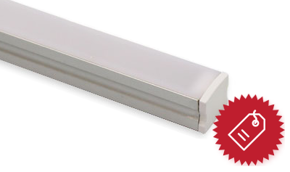
Flexible led profiles for curves and corners: how to bend the channel without breaking it
Flexible LED profiles were developed to meet the need for creating curves or corners. This category of components provides the solution for all installations where traditional linear geometries prove inadequate. The requirement to follow curvilinear light paths—arches, circles, or complex angles typical of architectural elements, designer furniture, commercial displays, and bespoke lighting solutions—necessitates channels specifically engineered for controlled deformation.
We will examine in detail the operating principles, construction features, and, most importantly, the correct methodology for on-site shaping to prevent component damage and ensure a flawless final result, both aesthetically and performance-wise.
What are flexible LED profiles?
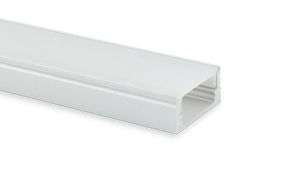
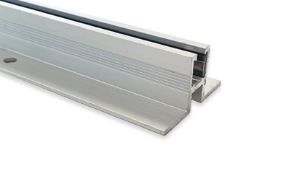
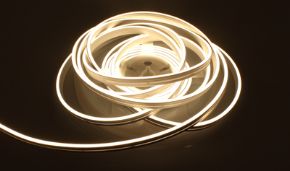
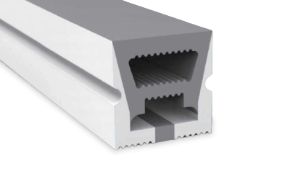
Flexible LED profiles, often also called bendable profiles or flexible channels, represent the natural evolution of classic aluminum strips for LED strips. While rigid profiles excel for straight lines, flexible LED profiles are specifically engineered to follow organic shapes, curves, arches, circles, and non-standard angles. Imagine illuminating a rounded column, the contour of an oval mirror, the curve of a designer furniture piece, or the perimeter of a vaulted ceiling. In these scenarios, the flexible LED profile (compatible with neonflex) is not only the optimal solution but often the only feasible one.
The applications of flexible LED profiles span accent lighting in high-end residential settings, commercial lighting for showcases and pathways, up to bold interior architecture projects. The advantages of flexible LED profiles are evident: maximum creative freedom, simplified installation on non-linear surfaces, and a clean, professional finish that protects the LED strip without compromising aesthetics.
Key features of flexible LED profiles
Specific characteristics determine an LED profile’s flexibility. Here are the essentials:
- Material: thermo-plasticized aluminum alloy or reinforced polycarbonate.
- Minimum bending radius: a critical parameter indicating how tightly the profile can be bent without damage (e.g., R50mm).
- IP rating: ranging from IP20 for dry indoor use to IP67/68 for outdoor or humid environments.
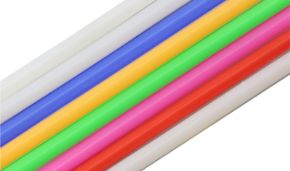
- Diffusion system: options include flexible opal, transparent, or satin diffusers.
- Mounting type: adhesive, clip-on, recessed, or suspended.
Materials and design: what are flexible LED profiles made of?
When selecting flexible LED profiles, the quality of the profile materials determines success versus failure. After extensive testing and real-world installations over the years, Ledpoint has prioritized two primary material families:
| Material | Advantages | Disadvantages | Ideal for |
|---|---|---|---|
| Flexible aluminum | Excellent heat dissipation, durable, retains shape after bending, premium finish. | Slightly higher cost, greater weight. | Professional projects, intensive use, applications requiring thermal management (high-power LED strips). |
| Polycarbonate | Extremely lightweight, lower cost, high impact resistance, electrical insulator. | Lower thermal dissipation than aluminum; may yellow when exposed to UV light (especially with lower-grade materials). | Very tight curves, budget-conscious projects, low-power applications. |
Advantages and disadvantages of flexible LED profiles
Like all products, flexible LED profiles present distinct strengths and limitations.
Advantages:
- Absolute adaptability: conforms precisely to any shape.
- "Seamless" installation: enables long, continuous curves using LED strip on a reel.
- Optimal protection: like rigid profiles, shields LEDs from dust, impacts, and moisture.
- Professional aesthetics: the flexible diffuser ensures a uniform light line without dark spots or breaks along curves.
Disadvantages:
- Higher unit cost: materials and technology make flexible profiles more expensive than rigid alternatives.
- Requires precise planning: curves must be designed and measured accurately—improvisation during installation is not advisable.
- Power limitations: due to typically slim profiles, high-power LED strips may cause overheating and should be avoided.
- Mounting complexity: securing curved shapes on certain surfaces may require additional anchor points or specialized adhesives.
How to bend flexible LED profiles without damaging them
After purchasing a bendable profile, you may need to form a tight curve around a shelf. Follow these steps:
- Determine the minimum radius: always consult the technical datasheet. If the minimum radius is 80mm, curves tighter than a 16cm-diameter circle cannot be achieved;
- Measure and mark: trace the intended path directly onto the surface. Use string or a flexible tape measure to replicate the exact curve;
- Pre-shape gently: with clean hands, begin bending the profile at room temperature along the marked line—never force it. Quality materials should bend smoothly, not with abrupt snaps;
- Use a template for precision: for perfect, repeatable curves, craft a jig from plywood or MDF cut to the target shape, then bend the profile against it;
- Handle the diffuser carefully: insert the flexible opal diffuser only after shaping the profile. Bending with the diffuser already installed risks breakage or jamming;
- Attach gradually: apply adhesive to the back or position mounting clips. Secure the profile starting from one end, following the curve and pressing incrementally. Never adhere the full length first and then attempt to bend;
- Install the LED strip last: insert and connect the LED strip only after the profile is fully secured in its final shape. LED strips are inherently flexible and will naturally follow the curve.
Never use heat sources such as hair dryers or heat guns to soften the profile—this risks permanent deformation or internal damage.
Practical applications for flexible LED profiles
Below are real-world examples of flexible LED profile installations by our clients:
- Residential settings: curved headboard bed lighting, outlining oval bathroom mirrors, spiral staircase illumination, rounded furniture accents;
- Commercial environments: showcases with arches, curvilinear bar counters, luminous signage with rounded lettering, guided museum pathways;
- Design projects: wave-shaped suspended installations, artistic light features, illuminated room dividers, column highlighting.
How to choose the right profile
Before ordering flexible LED profiles, consider these key questions:
- What is the tightest bending radius required for my project?
- Is the environment humid (bathroom, outdoor) or dry? (Note: fully waterproof profiles typically lack flexibility.)
- How much light output is needed? (LED strip power affects material choice for heat dissipation and bendability.)
- How will it be mounted? (Adhesive, screws, clips?)
- Is a custom cut needed to avoid visible joints?
Installation and maintenance
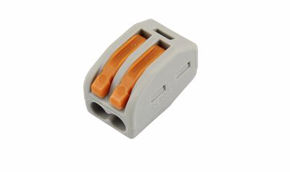
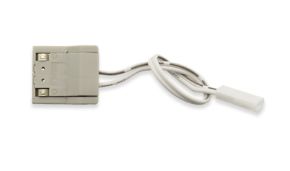
Beyond shaping, wiring demands attention. Always use screw-terminal connectors or soldered joints for LED strip connections inside the profile. For maintenance, occasionally remove the diffuser and wipe gently with a soft, dry cloth. Avoid aggressive chemical cleaners that could degrade materials.
Flexible LED profiles: what is the cost?
The price of a flexible LED profile varies by material, length, and finish. While budget options exist at just a few euros per meter, quality is critical. A profile that fractures during installation wastes time and money. Always consult the seller’s technical support before selecting a product.
Flexible LED profiles unlock vast creative potential—but understanding and respecting their technical limits is essential. With proper bending technique and patience, you’ll achieve flawless curved installations that impress clients and elevate any space.
If you need to illuminate curves, we recommend contacting our support team. Find all details here: Ledpoint S.r.l. | Contacts
We’ll be glad to provide expert guidance!